

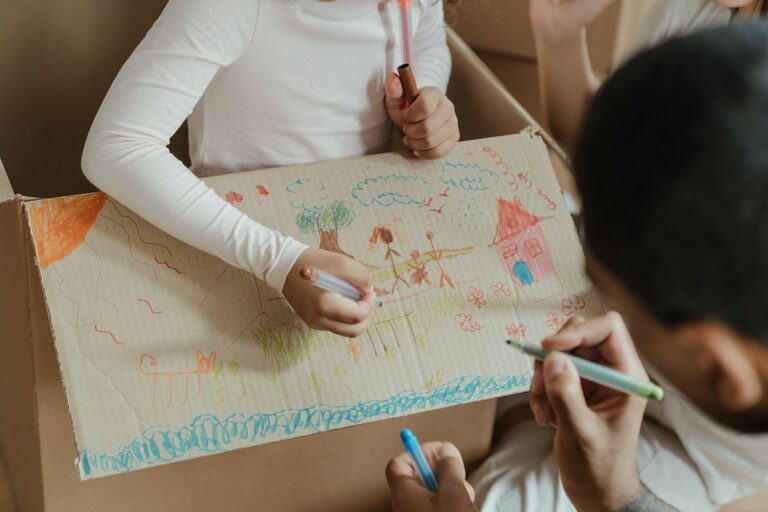
Every parent knows that kids’ artwork can quickly pile up — from finger paintings and doodles to school projects and holiday crafts. While these creations are priceless memories and a window into your child’s imagination, they can also lead to clutter if not managed well. Keeping kids’ art organized helps maintain a tidy home and allows you to celebrate their creativity in meaningful ways.
In this post, we’ll share practical tips and ideas to organize your children’s art while keeping your space neat and inspiring.
Why Organizing Kids' Art Matters
Before diving into strategies, it’s helpful to understand why organizing art is important:
– Preserves Memories: Kids’ artwork is a record of their growth, skills, and interests. Organizing makes it easy to revisit these moments.
– Reduces Clutter: Art projects can take up a lot of space. Proper storage prevents your home from becoming overwhelmed.
– Teaches Responsibility: Involving children in organizing their work encourages good habits and respect for their creations.
– Allows Creative Display: A neat system enables you to showcase favorite pieces proudly.
Setting Up a System for Incoming Artwork
The first step is deciding how to manage new art as it comes in.
1. Create an Art Station
Designate a specific area in your home for art supplies and finished projects. This can be a corner, a shelf, or a box labeled “Art Zone.” Having a dedicated spot means all materials and creations stay in one place rather than scattered around.
2. Use a “Keep, Toss, Gift” Approach
As artwork arrives, sort it right away:
– Keep: Special or sentimental pieces to save.
– Toss: Less important or damaged items, after discussing with your child.
– Gift: Artworks suitable for sharing with family members or friends.
This helps control volume and teaches kids decision-making.
Organizing and Storing Artwork
Once you’ve selected pieces to keep, choose storage methods that work with your space and preferences.
1. Use a Portfolio or Binder
A large art portfolio or a binder with plastic sleeves is a classic way to store flat artwork. They keep pieces protected and easy to browse. You can organize by date or theme.
2. Storage Boxes and Containers
For 3D projects or bulkier items, plastic bins or decorative boxes work well. Label each box with your child’s name and age range or school year.
3. Digital Archives
Take photos or scan artwork to save digitally. This method drastically reduces physical clutter while preserving memories. You can create digital albums, slideshows, or even print photo books featuring their art.
4. Display Frames or Corkboards
Select a few favorites to frame or pin on a bulletin board. Rotating the display keeps the space fresh and allows children to feel proud of their work.
5. Use Clipboards or Hanging Wire Displays
Install clipboards on a wall or string a wire with clips in a playroom or hallway to showcase recent creations. This makes it simple to swap out pieces regularly.
Involve Your Child in the Process
Encouraging your kids to help organize their art gives them ownership and responsibility. Let them:
– Choose which pieces to keep or gift.
– Help label storage containers.
– Assist in creating displays.
– Decide the order or theme for their portfolio.
This involvement can also be a bonding opportunity and an occasion to talk about their work and feelings.
Tips for Maintaining Organization Long-Term
Keeping kids’ artwork organized requires ongoing effort. Here are strategies to maintain your system:
– Set Regular Review Times: Monthly or quarterly, sit down together to sort new art and decide what stays or goes.
– Limit Keepers: Decide on a reasonable number of pieces per month or year to keep, which prevents overflow.
– Use Clear Storage: Transparent containers or clearly labeled binders help you quickly find and assess art.
– Create Themes or Categories: Sort by medium (paintings, crafts), age, or event to simplify retrieval.
– Incorporate Art into Gifts: Use scanned artwork for custom cards, calendars, or wrapping paper for family gifts.
Final Thoughts
Organizing your children’s artwork doesn’t have to be overwhelming. With a few simple systems, you can keep their creativity alive and your home clutter-free. Remember, the goal is to celebrate their efforts, preserve memories, and teach valuable organization skills along the way.
Whether you choose portfolios, digital archives, or creative displays, the key is consistency and involving your child in the process. Happy organizing!